
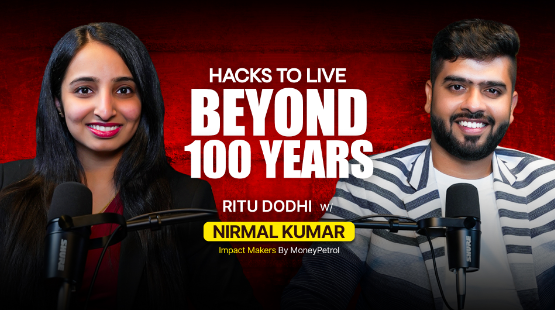
The Nirmal Kumar Podcast explores some of the most fascinating conversations around health, longevity, and purposeful living, offering practical insights into what it truly means to live a long and fulfilling life. As people around the world become increasingly focused on wellness and preventive health, the idea of living to 100 is no longer viewed as unrealistic. Instead, it has become a meaningful goal supported by science, lifestyle awareness, and a deeper understanding of how daily habits shape long-term well-being.
Understanding Longevity Beyond Genetics
For many years, people believed longevity was almost entirely determined by genetics. While family history certainly plays a role, modern research suggests that lifestyle choices have a far greater influence on lifespan than previously thought. Factors such as nutrition, physical activity, stress management, sleep quality, and emotional health collectively determine how well the body ages over time.
Nirmal Kumar often discusses how longevity is not simply about extending life expectancy but improving the quality of those years. Living longer only becomes meaningful when individuals maintain energy, mobility, mental clarity, and emotional balance as they age. This perspective shifts the conversation away from fear of aging and toward a healthier understanding of sustainable wellness.
The science of aging continues to evolve, revealing how small daily decisions can significantly influence long-term health outcomes. Rather than searching for quick fixes, experts increasingly emphasize consistency and balance as the true foundation of healthy aging.
The Connection Between Nutrition and Lifespan
One of the most important pillars of longevity is nutrition. The human body depends on proper nourishment to repair cells, regulate hormones, and maintain vital functions throughout life. Poor dietary habits contribute to chronic illnesses that can shorten lifespan and reduce quality of life.
Nirmal Kumar highlights the importance of mindful eating rather than restrictive dieting. Whole foods, balanced meals, hydration, and moderation are often more effective than extreme health trends that promise rapid transformation. A sustainable approach to nutrition supports both physical health and emotional well-being.
Scientific studies continue to show that diets rich in vegetables, healthy fats, lean proteins, and natural ingredients contribute to reduced inflammation and improved metabolic function. At the same time, minimizing processed foods and excessive sugar intake helps protect the body from long-term damage.
Longevity-focused nutrition is not about perfection. It is about developing habits that support the body consistently over many years.
The Role of Movement in Healthy Aging
Physical activity is another major factor associated with longevity. Regular movement supports cardiovascular health, strengthens muscles and bones, improves circulation, and enhances mental well-being. However, the concept of exercise has evolved beyond intense workouts and rigid fitness routines.
Nirmal Kumar emphasizes that movement should feel sustainable and enjoyable rather than exhausting. Walking, stretching, yoga, swimming, and moderate strength training can all contribute to healthier aging when practiced consistently.
One of the most overlooked benefits of exercise is its impact on mental health. Physical activity helps reduce stress, improve mood, and support cognitive function as people age. Staying active also encourages independence and mobility later in life, which significantly affects overall quality of living.
The science behind longevity increasingly supports the idea that consistent moderate movement is more valuable than occasional extreme effort. Small daily habits often create the biggest long-term impact.
Mental Health and Emotional Well-Being Matter
Longevity is not only a physical process. Emotional health and mental resilience play equally important roles in determining how people experience aging. Chronic stress, anxiety, isolation, and emotional exhaustion can negatively affect the body over time.
Nirmal Kumar often explores the relationship between emotional balance and long-term wellness. Individuals who maintain strong relationships, meaningful routines, and a sense of purpose tend to experience healthier aging patterns. Positive social interaction and emotional connection contribute significantly to overall life satisfaction.
Modern research supports this idea by showing how chronic stress influences inflammation, sleep quality, and immune function. People who learn to manage stress effectively often experience better physical and cognitive health as they grow older.
Meditation, mindfulness, reflection, and intentional rest are increasingly recognized as valuable tools for improving emotional resilience. Longevity is deeply connected to how individuals care for both the mind and body throughout different stages of life.
Sleep as a Foundation for Longevity
Sleep is one of the most underestimated aspects of health. While many people prioritize work and productivity over rest, inadequate sleep can accelerate aging and increase the risk of chronic disease. Proper sleep allows the body to repair itself, regulate hormones, and support brain function.
Nirmal Kumar frequently speaks about the importance of creating healthy sleep routines and respecting the body’s natural recovery process. Quality sleep contributes to stronger immunity, improved focus, emotional stability, and better physical performance.
In today’s fast-paced world, many individuals struggle with sleep disruption caused by stress, technology, and irregular routines. Developing healthier nighttime habits can have a surprisingly powerful effect on long-term well-being.
Scientific evidence consistently shows that individuals who maintain consistent sleep patterns tend to experience better health outcomes and improved longevity compared to those who regularly sacrifice rest.
Purpose and Mindset Influence Lifespan
One of the most inspiring insights about longevity is the role purpose plays in healthy aging. People who remain curious, engaged, and emotionally connected to meaningful activities often maintain stronger mental and physical health over time.
Nirmal Kumar emphasizes that mindset can shape how people experience every stage of life. Viewing aging as a natural and enriching process rather than something to fear creates a healthier relationship with personal growth and wellness.
Purpose-driven living encourages people to stay active, socially connected, and mentally stimulated. Whether through work, hobbies, creativity, or relationships, meaningful engagement contributes to emotional fulfillment and resilience.
The science of longevity continues to reveal that a fulfilling life is not built solely on physical health but also on emotional connection, mental clarity, and a strong sense of identity.
A New Perspective on Living Well
The conversation around longevity is evolving from simply adding years to life toward creating healthier and more meaningful years. Modern wellness approaches now combine science, lifestyle awareness, emotional intelligence, and preventive care to support long-term well-being.
Nirmal Kumar continues to inspire audiences by encouraging balanced habits, intentional living, and sustainable wellness practices. As interest in health education and mindful living grows worldwide, thoughtful conversations about longevity are becoming increasingly influential across digital media platforms, including many popular Dubai podcasts that focus on wellness, personal growth, and modern lifestyle transformation.